The Code of Criminal Procedure (CrPC) is the primary procedural law that governs the criminal justice system in Pakistan, outlining the processes for investigation,
This video provides an easy and engaging overview of the Sindh Child Marriage Restraint Act, 2013 through MCQs (Multiple Choice Questions) to help learners
In this video, Ms. Sharmila Farooqui responds to common criticisms surrounding child marriage laws in Pakistan, with a particular focus on the Sindh Child
The Sindh Bonded Labour System (Abolition) Act, 2015 is a provincial law enacted to abolish the bonded labour system and to prevent the economic and physical exploitation of labour in Sindh. It declares all forms of bonded labour illegal, extinguishes any bonded debt, and frees bonded labourers from obligations arising
The Prevention of Trafficking in Persons Act, 2018 is a federal law enacted to prevent and combat trafficking in persons, particularly women and children, and to provide a framework for the protection of victims and prosecution of offenders. The Act defines trafficking to include acts such as recruitment, transportation, or
The Sindh Prohibition of Employment of Children Act, 2017 is a provincial law enacted to prohibit the employment of children and to regulate the employment of adolescents in certain occupations and work. It defines a child as a person below 14 years of age and strictly prohibits their employment in
The Sindh Prohibition of Corporal Punishment Act, 2016 is a provincial law enacted “to make provisions for the protection of children against corporal punishment by any person” across a wide range of settings, including workplaces, educational institutions (formal, non-formal and religious), and child care and alternative care settings. The Act
The Zainab Alert, Response and Recovery Act, 2020 establishes a dedicated legal and institutional mechanism in Pakistan to address cases of missing and abducted children. The Act provides for the creation of the Zainab Alert, Response and Recovery Agency (ZARRA), responsible for issuing timely alerts, coordinating rapid response efforts, and
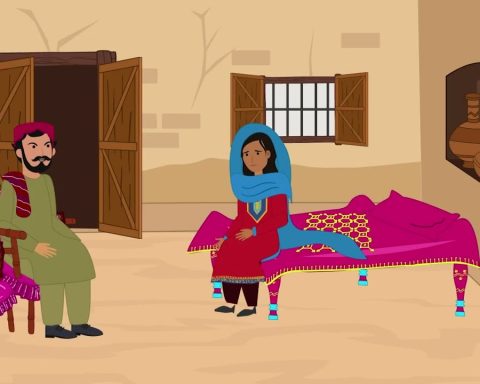
The Sindh Child Marriage Restraint Act, 2013 is a landmark provincial law that sets the minimum age of marriage at 18 years for both males and females, aiming to prevent child marriages and protect the rights and well-being of children. The Act criminalises the solemnisation, facilitation, and promotion of child
The Anti-Rape (Investigation and Trial) Act, 2021, along with the Anti-Rape (Trial Procedure) Rules, 2022 and Anti-Rape (Investigation) Rules, 2022, provides a strengthened legal and procedural framework in Pakistan for addressing rape and sexual violence cases. The law focuses on victim-centred approaches, ensuring timely investigation and trial, protection of survivors,
The Juvenile Justice System Act, 2018 is a comprehensive law in Pakistan that provides a child-centred framework for dealing with children in conflict with the law. It emphasises the principles of rehabilitation, reintegration, and fair trial, ensuring that children are treated with dignity and in accordance with their rights. The
This video explains the concept and legal framework on honour killing, highlighting the Criminal Law (Amendment) Act 2016, which introduced strict punishments for such offences.
The Anti Rape ( Trial and Investigation) Act was promulgated to curb the crime of rape and ensure the protection of women and children. The Act requires the Government to take immediate and effective measures to prevent rape and provide support to rape victims.